
Can You See Flea Eggs? Controlling An Infestation
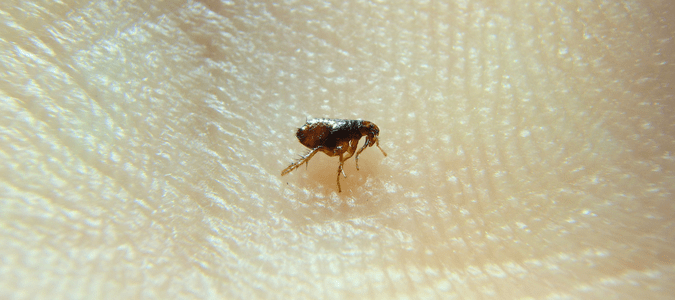
The key to treating fleas is breaking their life cycle, which starts at the egg stage. Most homeowners overlook flea eggs until they’re already dealing with an advanced infestation.
However, identifying the signs of fleas, such as spotting their eggs, is the best way to catch an infestation early. This guide breaks down the life cycle of fleas, what flea eggs look like, where you might find them in your home and more.
What Do Flea Eggs Look Like?
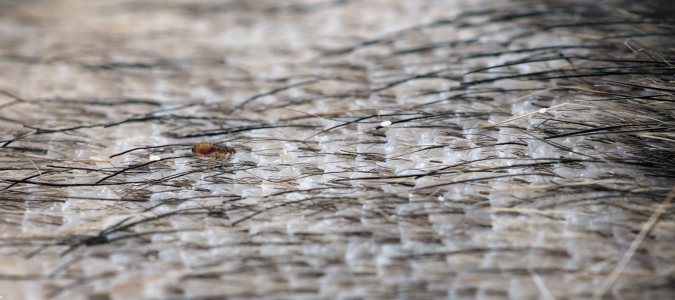
Knowing what flea eggs look like is the first step in identifying a flea infestation. While flea eggs can be difficult to spot, it’s important to stay vigilant and keep an eye out for them around your home.
Flea eggs are small, translucent, white oval eggs. They are only half a millimeter long, about the size of a grain of salt. They have a smooth texture and, unlike most insect eggs, are not sticky.

Where Do Flea Eggs Hide in Your Home?
The most common places to find flea eggs are in your pets’ bedding, in carpet, inside furniture crevices and around your baseboards.
Most homeowners assume that fleas are only a problem for their pets, but that isn’t true. While fleas often lay their eggs on animals, the eggs do not stay on the animals’ fur for long. In fact, most of them fall off and end up in the surrounding areas.
For example, if you have an indoor dog that has fleas, the flea eggs will end up in areas of your home that your dog regularly visits. If your dog moves throughout your entire house, you could find flea eggs anywhere.

The Flea Life Cycle and Why It’s Hard to Spot Eggs
Adult female fleas can lay dozens of eggs per day, which can quickly fall off your pet and scatter throughout your home.
Flea eggs, larvae and pupae can hide deep in carpets, bedding and furniture, which can make them easy to miss. The pupa stage is especially tough because the cocoon protects the flea from any form of treatment while it develops.
Fleas can stay in this stage for weeks until they feel movement, warmth or carbon dioxide from a nearby host. Because the flea life cycle takes an inconsistent amount of time and is hard to disrupt, you often need more than one treatment to treat an infestation.
Flea Life Cycle Stages
How to Find and Remove Flea Eggs
To find and remove flea eggs, you need to conduct a thorough inspection and effectively clean all of the impacted areas.
How to inspect for flea eggs:
- Go over your pets’ fur with a flea comb or a piece of white paper
- Examine your pets’ bedding, carpets and furniture seams
- Vaccum and launder all infested areas
How to clean flea-infested areas:
- Wash items like linens, pet bedding and clothes on high heat
- Vacuum up flea eggs using a vacuum with a HEPA filter
Before you go searching for flea eggs, look for evidence of fleas in your pets’ fur first. Using a flea comb or white piece of paper, carefully go through their fur and look for adult fleas. Where do fleas hide on dogs? Pay special attention to your pets’ neck, the base of their tail and their belly.
If you see tiny white flecks, those are likely flea eggs. Dark flecks, also known as “flea dirt,” are flea droppings. Spotting either in your pet’s fur is often a sign that you have a flea infestation.
When combing your pets, be sure to have a bucket of soapy water nearby. Discard of any flea eggs, dirt or adults you find into the water.
After combing through your pets’ fur, vacuum their beddings, the carpet around their favorite areas and your furniture seams for flea eggs. Keep in mind that flea eggs are the size of a grain of salt and blend in with their surroundings. When you are done vacuuming, empty your vacuum into a trash bag, tie the bag and dispose of it in an outdoor bin.
Lastly, launder any fabrics that fleas have contact with and vacuum the carpet. Wash all items on high heat and use a vacuum with a HEPA filter for the best results.
For Texas homeowners, year-long humidity allows fleas to hatch faster, even after only one day. That means you need to be even more vigilant and proactive about finding and removing flea eggs.

Prevention Tips to Keep Fleas (and Eggs) Away
Deterring fleas starts with your pet. If your pet is not a welcoming host, fleas are less likely to latch on. Grooming your pet regularly and applying a monthly flea prevention treatment are the best ways to deter fleas. Ask your vet about flea prevention.
If your pets go outdoors, make sure your yard is an unfriendly habitat for fleas. Keeping your grass trimmed and cleaning up debris can help reduce flea activity. Rake your lawn on a regular basis to clean up grass clippings and fallen leaves. Additionally, prevent wildlife from making your yard their home. Animals like rats, mice and raccoons can bring a flea infestation to your doorstep.
Keep in mind that fleas are most prolific during the warm months. For Texans, the year-round warm climate means that fleas can survive in the fall and winter months as well. That’s why it’s important for Texans to keep up with their flea prevention methods all year long.
What Our Customers Say
“We are very pleased with the services we receive from Chem-Free…This time, we needed to add a flea treatment. It was great that Stephen could work us into his schedule to address the issue promptly. We appreciate working with a service technician like Stephen who values his clients.”
— Joni G.
When to Call in a Pest Control Expert
If washing and vacuuming aren’t cutting it, the next step is calling in a pest control professional. A professional pest control service will treat a flea infestation comprehensively.
There are several signs of a severe flea infestation, and the most obvious one is that your pet is constantly itching their fur. Next, you may spot flea dirt on your pet or around your home. A substantial amount of flea dirt typically means that the fleas are reproducing at a rapid rate.
If flea eggs or larvae are visible, it typically indicates a more established infestation. If you see any of these signs of fleas, it’s time to call in a pest control professional. An expert can nip it in the bud with their experience and knowledge of Integrated Pest Management (IPM).
Does your cat have fleas? It’s often not enough to just use flea medication. You will likely also need to apply treatment to your home. IPM strategies address your pet and your home. It also covers the out of sight areas where flea eggs, larvae and pupae tend to hide.
Professional Treatment Options
It’s important to understand that DIY flea treatment options only address adult fleas. Pest control pros treat flea eggs and pupae as well.
Professional flea treatment includes:
- Whole-home treatment, including the floor, furniture and yard
- Repeat applications to break the flea lifecycle
- Treatment products that are friendly to your pets and children
If you haven’t seen flea eggs but suspect you have a flea infestation, it’s time to call in the experts.
Frequently Asked Questions About Fleas
Chem-free Can Make You and Your Pets Comfortable Again
Flea eggs are very small and often overlooked, but they can be visible when you look closely. If you notice your pet itching more than usual, inspect for flea eggs.
To treat for fleas, you need to treat both your pet and your home. Enlisting expert help is key to long-term flea relief.
If you’re spotting signs of fleas, contact Chem-free’s pest experts for a customized flea treatment plan.
Need Help Managing Pests?
Chem-Free offers both effective, low-impact pest control options and preventative measures to help avoid future infestations. Contact us today for a free estimate!


Holt Myers
Holt joined Chem-free in 2021 as the Electrical & Appliance Operations Manager before transitioning to Division Manager for Pest Control. Before Chem-free, Holt worked as a Project Manager and Superintendent in Construction.
Holt also served in the US Marine Corps from 2003 to 2007. Holt is a member of NPMA’s PestVets, Stewards of the Wild and Texas Wildlife Association. Holt is an avid outdoorsman, who loves to travel and spend time with his wife and daughter.