
Do Mosquitoes Bite During the Day?
Mosquitoes Do Bite During the Day
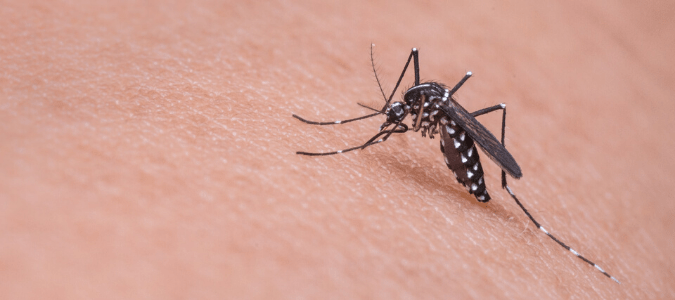
The short answer is yes, but there’s a little more to it. There are many different types of mosquitoes and they don’t all behave the same way. Two common species bite during the day in Texas:
- Yellow fever mosquito (Aedes aegypti)
- Asian tiger mosquito (Aedes albopictus)
For Texas homeowners, this means daytime mosquito bites are always a possibility.
Mosquito Species in Texas: Daytime Versus Nighttime Biters
Understanding the difference between the common types of mosquitoes in Texas can help you deter these pests.
Chem-free’s pest control expert and board-certified entomologist Alan Brown breaks down the species found in Texas.
“There are about 85 species of mosquitoes in Texas. The Asian tiger and yellow fever mosquitoes are active daytime biters. Both species are dark with white markings.”
He also advises Texans near the coast to be on the lookout for the “salt marsh mosquito, which is a painful daytime biter.” Other species of concern include the southern house mosquito, which is “a dawn and dusk biter,” while “Anopheles mosquitoes are active nighttime biters.”
Here’s what to know about the activity patterns of common mosquitoes in Texas.
Daytime Biters
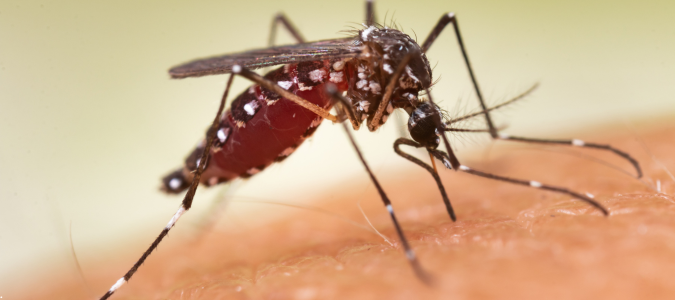
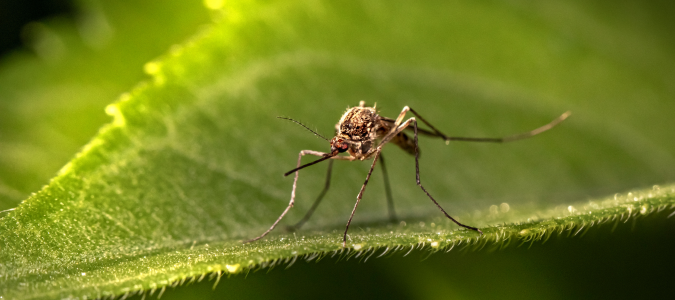
Aedes aegypti, often called the yellow fever mosquito, is a common daytime biter in Texas. They tend to be active in the early morning and late afternoon.
You’ll often find these mosquitoes, pictured above, throughout urban areas and anywhere with stagnant water containers. This species can spread Zika, dengue and chikungunya viruses.
The other big daytime biter is the Asian tiger mosquito. It stays active throughout the entire day in shady areas. It’s very common in Texas suburbs, where there are plenty of small containers and shaded vegetation for them to breed in.
Nighttime and Evening Biters
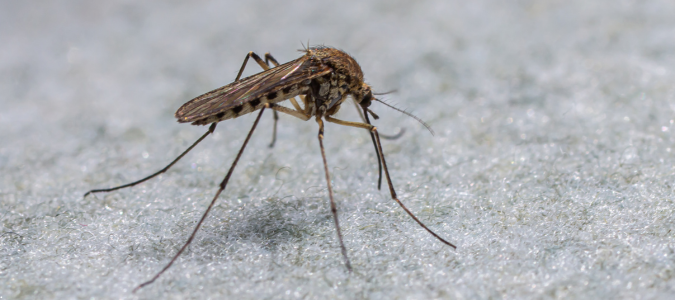
If you’re dealing with nighttime or evening mosquito bites, then chances are it’s a Culex species, pictured above. There are many varieties of Culex mosquitoes. They breed rapidly in standing water like drains, ponds and gutters. Active from dusk to dawn, these species pose a risk of spreading West Nile virus.
Why Activity Patterns Vary
Some mosquito species are more sensitive to sunlight than others, which means daytime can be too harsh for them. Sensitive mosquitoes will avoid the heat during the day and emerge at dusk.

Why Mosquitoes Bite During the Day in Hot States Like Texas
You might think that the heat in Texas would stop mosquitoes from biting during the day, but that isn’t the case. Hot days can actually drive up mosquito activity. Like other insects, mosquitoes are cold-blooded, so they rely on the environment for their heat. High temperatures energize them beyond typical hours.
High temperatures can be rough on mosquitoes, but they typically stay protected by hiding in shaded areas found throughout Texas neighborhoods. Large oak trees, pergolas and porches all provide ample shade for mosquitoes to cool down.
Unlike in cooler regions, many parts of Texas can face year-round breeding. Mild winters keep temperatures warm enough to provide the perfect breeding ground for mosquitoes in standing water.
Signs You Have Daytime-Biting Mosquitoes Around Your Home
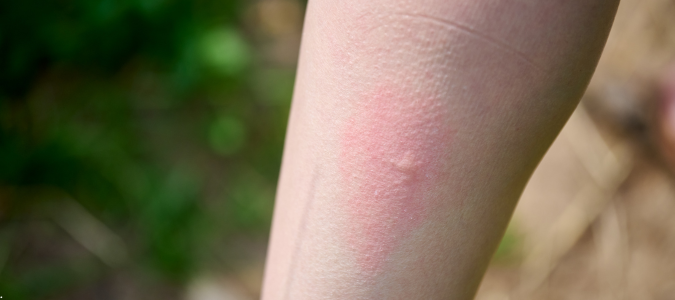
It can be hard to tell what type of mosquitoes you’re dealing with around your home. However, there are some key signs you can watch for. The Aedes species in Texas tend to focus on biting your legs and ankles.
Visual identification of mosquitoes can be tricky, but visible stripes point to daytime biters. Aedes albopictus in particular has a distinct black and white stripe pattern. Most bites happening in sunny, midday hours are from these culprits.
The daytime mosquito species tend to gather around a few common yard features. Potted plants, bird baths, rain gutters and outdoor pet bowls are all ideal breeding environments for these mosquitoes.

How to Prevent Daytime Mosquito Bites
If you’re dealing with daytime mosquito bites, figuring out how to prevent them is likely at the top of your to-do list. Some of the most effective strategies include the following:
- Removal of breeding sites
- Home and yard protection
- Personal protection
- Knowing when to call a professional
Let’s take a closer look at each of these.
Remove Breeding Sites
One of the most effective ways to deter mosquitoes is to prevent them from breeding in the first place. Mosquitoes lay their eggs in stagnant water, and the larvae grow to adulthood there. Remove mosquito breeding sites by dumping out any containers with standing water. Keep gutters and drains clean and unclogged.
Ensuring proper lawn irrigation is also vital to remove stagnant breeding sites. Make sure that your landscape doesn’t leave standing puddles anywhere. You’d be surprised by just how little water mosquitoes need to thrive.
Home and Yard Protection
You can take certain steps to protect your home and outdoor spaces from mosquitoes.
Alan Brown notes that most mosquito species are “weak flyers,” meaning airflow can make a big difference.
“Most species are weak flyers, so adding fans to your patio can help push them away.”
Installing window and door screens can also help prevent mosquitoes from entering your home. Additionally, mosquito treatment applications help disrupt the lifecycle and stop populations from growing. Treating shaded areas can be highly effective, since these are the spots where the Aedes species tend to rest.
Maintaining your landscaping to reduce dense vegetation also helps deprive the Aedes species of their preferred resting spots.
Personal Protection
Personal protection can help you prevent mosquito bites.
Alan Brown recommends, “Wear long sleeves and pants, and apply mosquito repellents before going outside.”
Make sure to use EPA-approved repellents such as DEET, Picaridin or oil of lemon eucalyptus.
When it comes to your home, the best protection is working to keep mosquitoes out, so avoid leaving doors open during late afternoon hours. This is much easier than trying to get them out of your home afterward.
When to Call a Professional
While you can take several steps to prevent daytime bites, mosquito problems can still be a nuisance. It’s helpful to know when it’s time to reach out to professionals for mosquito treatment.
If you’ve tried DIY measures and are still dealing with recurring bites, then it’s likely time for professional treatment. Pest control professionals can help deliver more consistent results when it comes to reducing mosquito populations.
Keep in mind that Texas pest control plans often include monthly or bi-monthly mosquito treatments due to long warm seasons.
Texas-Specific Mosquito Season Timeline
When planning around mosquito season, it’s important to remember that the timeline differs significantly across regions. Alan Brown explains that in Texas, “Any time the temperatures are above 50 degrees, mosquitoes can be active, although they are most prevalent from March through October.”
Alan Brown explains that in Texas, “Any time the temperatures are above 50 degrees, mosquitoes can be active, although they are most prevalent from March through October.”
This also varies by species. The Aedes species responsible for most daytime bites emerges during early spring. As temperatures increase, they continue to multiply and become more active. Summer is the peak biting season for both daytime and nighttime species.
Activity can continue going strong into fall, with the first cold front usually calming them down and reducing numbers. However, warm winters in southern Texas mean that mosquitoes can survive year-round, making bites an ongoing concern.
Frequently Asked Questions
Protecting Against Daytime Mosquito Bites
So do mosquitoes bite during the day? In Texas, the answer is “absolutely.” The secret to avoiding bites is prevention.
Early professional treatment around your property can help nip the problem in the bud before it gets worse. If you’re located in or around Austin, schedule mosquito yard treatments from Chem-free today.
Need Help Managing Pests?
Chem-Free offers both effective, low-impact pest control options and preventative measures to help avoid future infestations. Contact us today for a free estimate!


Holt Myers
Holt joined Chem-free in 2021 as the Electrical & Appliance Operations Manager before transitioning to Division Manager for Pest Control. Before Chem-free, Holt worked as a Project Manager and Superintendent in Construction.
Holt also served in the US Marine Corps from 2003 to 2007. Holt is a member of NPMA’s PestVets, Stewards of the Wild and Texas Wildlife Association. Holt is an avid outdoorsman, who loves to travel and spend time with his wife and daughter.