
Why Are There Ants in My Dishwasher?
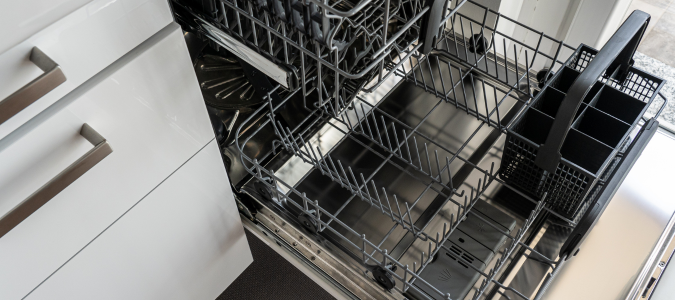
The good news is that there are several things homeowners can do to deter ants from their dishwashers and kick them out once they get inside.
Why Are There Ants in My Dishwasher?
Ants are attracted to dishwashers because they provide them with what they need to survive: water, a food source and shelter. Ants are resourceful pests with a strong sense of smell, so they can detect the smell of food particles in your dishwasher. Even the tiniest crumbs can draw ants into your dishwasher.
Dishwashers also offer a moist environment, which most ants need to survive. These pests like to nest in warm, damp and dark environments, which is another reason a dishwasher becomes the perfect hiding spot for their colony.
While it may seem inevitable for ants to find your dishwasher, there are prevention methods you can use to keep these pests away.
How to Prevent Ants From Getting Inside Your Dishwasher
First, even if you have a high-performing dishwasher that does not require cleaning the dishes before you put them in, removing food particles beforehand can reduce ant activity. Give your dishes a quick rinse to minimize the number of ant-attracting food particles in your dishwasher.
Next, wipe down your dishwasher every time it completes a cycle. Eliminating the moisture will make it a less hospitable habitat for ants. Be sure to remove leftover food particles and residues as well. Along with the dishwasher’s interior, wipe down the rubber seals and edges too.
Seal Up Cracks and Gaps
Another key strategy to deter ants from your dishwasher is to seal all cracks and gaps that may give them an easy access point into your kitchen. If ants can’t get into your kitchen, their chances of finding your dishwasher are slim.
Inspect your kitchen for tiny openings around your doors, windows, pipes and walls. Ants only need a small amount of space to enter your home, so it’s important to be thorough. When you find an opening, seal it with caulk to close it off to pests.
Another way to deter ants from your kitchen is to eliminate their obvious food sources. Keep all of your dry goods in sealed, airtight containers. Ants are especially attracted to sugary foods, so do not leave out any desserts or sweets for long periods.
Since ants need water to survive, you should eliminate all standing water from your kitchen. Wipe up spills and droplets off your kitchen surfaces, and repair any leaks or drips that could provide ants with a reliable water source.
Finally, clean your kitchen regularly to help keep it pest free. Keeping ants out of your kitchen is the number one way to deter them from getting inside your dishwasher.
Sometimes ants can still find their way into your home despite your best efforts. If you have an ant problem in your dishwasher, contact a pest control specialist. They can use expert tools and skills to control the infestation for you.
Do Ants Like Sugar?
Ants do not merely like sugar. They are obsessed with it. These pests are known for ruining picnics because they get into the dessert before anyone has finished their lunch.
Their insatiable appetite for anything sweet is because sugar acts as energy for ants. Worker ants rarely stop searching for food and returning it to their colony, so they need plenty of energy to keep up with the demands of their job.
The reason ants like to consume sugar as an energy source more than other types of food is because the carbohydrates in most sugary foods turn into energy extremely fast. This makes the energy more accessible to them.
Ants don’t like to keep sugary treats to themselves; they alert the rest of their colony by leaving a scent trail. This is why desserts and sweet snacks can be quickly overtaken by ants in a matter of minutes.
While ants prefer sugar over any other food type, it is not the only food they will eat. Ants are opportunistic scavengers that will feast on whatever they find. They have a diverse diet that includes bread, leftover fruits, greasy residues and even pet food. If they can get energy from a food source, they will eat it and lead other members of their colonies to it.
How To Deter Ants
To keep ants out of your home, make sure you keep all sweets and other food sources out of reach. Store your food in airtight containers and wipe up spills quickly. Be careful that no sticky residue, such as from a fruit juice spill, gets left behind.
Additionally, keep the outside of your jars for sweet snacks clean. For example, wipe up any dripping honey that may cling to the outside of the honey jar. The same rule applies to other sweet snacks, such as marshmallow fluff, jam and syrup.
Eliminating food sources is the best way to keep ants out of your home. If they can’t feed their colonies, they will look elsewhere instead. If ants are already a problem in your home, contact a pest control specialist to deal with the infestation. An expert can help you put more prevention methods in place and inspect your home for possible ant entry points. They can also help you identify pharaoh ants versus fire ants.

How To Get Rid of Ants in the Kitchen
Discovering ants in your kitchen is extremely frustrating because a few tiny bugs can duplicate quickly until it feels like your kitchen has been taken over. While these pests are persistent and relentless scavengers that seem impossible to get rid of at times, there are a number of actions that homeowners can take to deter them.
The first step to getting rid of ants in the kitchen is to keep your kitchen as clean as possible on a regular basis. Since they are attracted to crumbs, it’s important to clean your kitchen thoroughly to avoid leaving behind a meal for ants. This includes wiping down surfaces, sweeping the floor and cleaning up spills as soon as they happen.
Ants will even consume pet food and water. If you have pet food and water bowls in your kitchen, put them up when your pet is not using them. Do not leave out extra kibble or remnants of wet food. Wash your pet food bowls regularly, and store pet food in an airtight container in your pantry.
Next, you can get rid of ants by creating barriers between them and your home. Seal up all holes and cracks in your home with caulk.
Lastly, trim back the vegetation around your home that ants can use to get inside your house. Long branches can serve as bridges for ants to enter your home, so keeping your plants and trees neat will help control ants.
While these at-home methods may help reduce the number of ants you see if your kitchen, the best way to control an infestation is to get professional help. A pest control expert can locate the ant nest and control the ant population so you can get your kitchen back.
Take Your Home Back From Ants With Professional Assistance
Once ants get inside your dishwasher, it’s hard to get them out on your own. To properly control a pesky and unrelenting ant population, you need to enlist professional assistance. An expert can also help identify the entry points that ants are using to get inside your home and help you establish valuable prevention methods.
Chem-Free Can Treat the Ants on Your Property
Trying to control an ant problem while also taking into account your kids and pets can be difficult. When you contact Chem-free Pest Control, you can have peace of mind that we will create a custom pest control solution that keeps all of your family members in mind. Once we have treated the ants on your property, we will leave you with green tips on how to prevent future encounters with these pests.
Need Help Managing Pests?
Chem-Free offers both effective, low-impact pest control options and preventative measures to help avoid future infestations. Contact us today for a free estimate!


Holt Myers
Holt joined Chem-free in 2021 as the Electrical & Appliance Operations Manager before transitioning to Division Manager for Pest Control. Before Chem-free, Holt worked as a Project Manager and Superintendent in Construction.
Holt also served in the US Marine Corps from 2003 to 2007. Holt is a member of NPMA’s PestVets, Stewards of the Wild and Texas Wildlife Association. Holt is an avid outdoorsman, who loves to travel and spend time with his wife and daughter.