
Do Mosquitoes Come Out in the Rain?
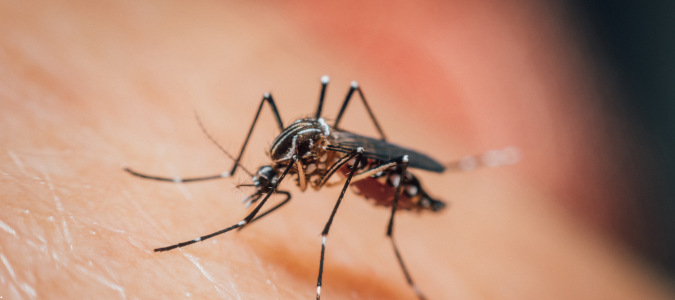
The real impact comes 3 to 7 days after rainfall, as mosquitoes go from egg to adult in as little as 7 to 10 days, depending on temperature. To help explain the link between mosquitoes and rain and what you can do to protect your yard, we spoke with Alan Brown, Board-Certified Entomologist.
Why Rain Affects Mosquito Behavior
Mosquito behavior is due to a wide range of factors, including humidity and temperature. This means that their activity can vary depending on both current conditions and recent weather.
Mosquitoes Thrive in Moisture
Mosquitoes rely on standing water to reproduce. Female mosquitoes lay their eggs in stagnant water, and those eggs hatch into larvae and grow into adults.
Even small amounts of water can be enough for mosquitoes to multiply. Partially clogged gutters, plant saucers and dips in your yard are prime examples. Overturned bottle caps and children’s toys left in the yard can also hold enough water for mosquitoes to breed.
As Brown explains, “Wet conditions lead to increased breeding activity and the higher humidity after a rain is favorable for mosquitoes as well.”
What Happens During Light Rain?
Light rain can greatly increase mosquito activity. The increased humidity makes it easier for mosquitoes to fly, so there’s a real risk of bites even while rain is ongoing. The cooler temperatures that often come with summer rain make activity more likely.
Rain also stimulates egg hatching, leaving a lasting impact on mosquito levels. While Texas species, such as the southern house mosquito, vary in their feeding patterns, light rain will drive most of them to become more active.
What Happens During Heavy Rain?
You might experience some reprieve from mosquitoes during heavy rain. Strong winds and hard rainfall disrupt flight patterns. This leaves mosquitoes less likely to fly around and bite people, but this is only temporary.
Flooding can wash away any larvae that are currently growing. Unfortunately, the new breeding areas left behind after the rain more than make up for it. It might delay the lifecycle a few days, but it won’t solve an infestation.
Why Mosquitoes Are Worse After It Rains
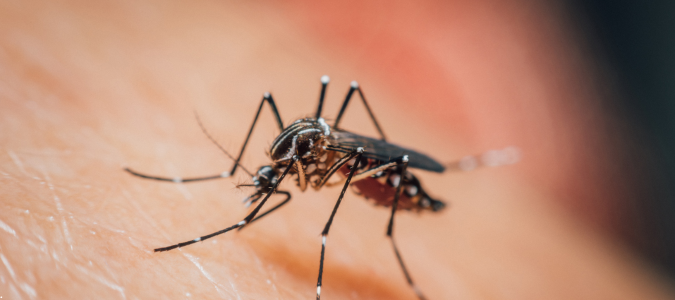
It’s not your imagination; mosquito numbers really do spike a few days after rain. That’s because mosquitoes rely on standing water to complete their lifecycle. Puddles, filled containers and other water left behind by rain give the next generation of mosquitoes a great place to breed.
The Breeding Explosion Effect
Mosquitoes will quickly get to work laying eggs in any standing water they can find after rain. Puddles on your lawn, clogged gutters and bird baths can serve as convenient breeding grounds, as can tarps, construction areas and anywhere else water can sit.
Texas heat means that eggs often hatch quickly, so it only takes a few days for mosquito numbers to rise. In 80 to 90 degree weather, there can be a noticeable mosquito increase within just 3 to 7 days.
Warm Texas Climate Accelerates the Cycle
Mosquitoes, like other insects, are cold-blooded and rely on heat from the environment to drive their biological processes. This means that warm areas like Texas have mosquitoes doing everything faster, including breeding and developing.
Summer storms provide both the water and the heat to drive rapid breeding. In these ideal conditions, mosquitoes go from egg to larvae to biting adult more quickly.

Are Mosquitoes More Active at Certain Times During Rainy Weather?
Do mosquitoes come out in the rain? Activity levels vary quite a bit, whether the difference is between evening and whether mosquitoes bite during the day or how they react to storms. Understanding how mosquitoes act before, during and after storms can help you plan ahead.
Before a Storm
You may first notice a change in mosquito activity once clouds start to gather ahead of a storm. The pressure drop associated with this kind of weather drives mosquitoes to increase feeding.
Storms also bring high humidity ahead of them, which further increases mosquito activity. They’re able to fly better and the humidity improves their ability to detect odors and carbon dioxide from people and pets.
After a Storm
As Brown explains, “Feeding behavior varies by species, but after rain has stopped, mosquitoes will become more active due to the higher humidity and the increase in breeding sites.”
This also depends on the time of day. Early evening and dawn are prime feeding times for many mosquito species in Texas. They take advantage of cooler temperatures and lower wind speeds to actively seek out food sources. Shaded areas are also more likely to see mosquito activity for similar reasons.
During Ongoing Rain
You might think that any amount of rain would send mosquitoes looking for cover, but they do stay active during light rain. A mild rainfall with lower wind speeds doesn’t pose that much of a challenge for mosquitoes. The high humidity will likely help boost their activity.
However, heavy rain will likely deter mosquitoes from coming out. Large raindrops and high winds make it difficult for these tiny pests to fly.
How to Prevent Mosquito Problems After Rain
Without preventive action, mosquito levels can rise significantly after even a small amount of rain. Acting quickly after a storm, and planning ahead for the longer term, can go a long way toward keeping mosquitoes out of your yard.
Immediate Steps After a Storm
As Brown advises, the most important step is simple: “Empty any containers holding water to prevent them being used for egg laying and larval development.”
If you want to keep mosquitoes out of your yard, you need to act immediately after a storm. Dump any standing water out within 24 to 48 hours. Make sure that your gutters and downspouts are clear.
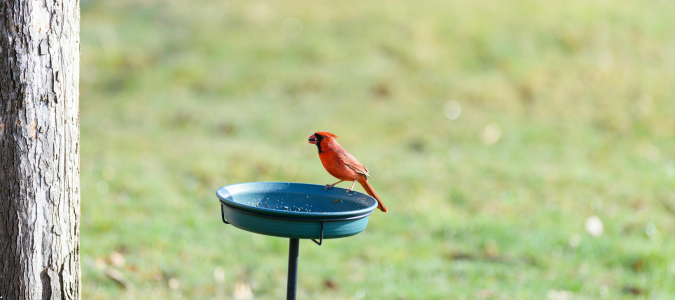
Check any tarps and outdoor furniture for pooling water and dump it if needed. Pour out pet bowls and bird baths to remove eggs and larvae, and then refill them with clean water.
Yard Modifications
Avoid standing water from pooling in your yard by improving drainage. Look for any spots where puddles consistently form. Trimming dense vegetation is also helpful, which is often a convenient habitat for mosquitoes.
Water features throughout your yard can also serve as mosquito breeding grounds. Mosquito dunks provide practical protection against mosquitoes.
Professional Mosquito Treatments
If you have an ongoing problem, professional mosquito treatment is the best choice. Solutions like barrier sprays and larvicide treatments provide lasting protection against mosquitoes.
If your yard is prone to mosquito problems, recurring seasonal treatments can help get ahead of the issue before it starts.
What Our Customers Say
“Chem-free provides excellent pest control services inside and out. We have used them for general insects, rodent, wildlife, invasive ants, mosquitoes. They always show up on time or friendly and professional, and do an excellent job.”
— D.
When to Call a Professional in Texas
When is the right time to go beyond DIY prevention and call in the professionals? If you consistently notice increased mosquito activity on your property 3 to 5 days after rain, then treatment may help. That’s also true for properties near retention ponds, creeks, greenbelts and other features that swell with rain.
If DIY methods aren’t reducing the mosquito population, reach out to Chem-free for a free inspection. We will evaluate your property and provide locally tailored treatment and seasonal mosquito protection plans.
Frequently Asked Questions
The Bottom Line for Texas Homeowners
If you’re hoping that rain will keep mosquitoes away, you will probably be disappointed. Light rain often boosts activity, and heavy rain only offers a temporary reprieve. The standing water left by rain also rapidly increases mosquito numbers, especially in the summer heat.
Taking preventive steps right after storms can go a long way to keep mosquitoes out of your yard. Whether it comes to draining any sources of standing water or getting professional treatment, now is the time to act. If you’re noticing more mosquitoes after recent rain, schedule an inspection today.
Need Help Managing Pests?
Chem-Free offers both effective, low-impact pest control options and preventative measures to help avoid future infestations. Contact us today for a free estimate!


Holt Myers
Holt joined Chem-free in 2021 as the Electrical & Appliance Operations Manager before transitioning to Division Manager for Pest Control. Before Chem-free, Holt worked as a Project Manager and Superintendent in Construction.
Holt also served in the US Marine Corps from 2003 to 2007. Holt is a member of NPMA’s PestVets, Stewards of the Wild and Texas Wildlife Association. Holt is an avid outdoorsman, who loves to travel and spend time with his wife and daughter.